10 online catalog examples you can get inspired by


Plenty of online catalogs look good. Great, even. Few, though, are actively built to sell.
So, when you’re scoping your own online catalog, it’s worth asking yourself again what the catalog is actually doing for the business.
It can:
- Keep shoppers on the site longer
- Fill bigger baskets
- Let people buy without ever leaving the catalog
We’ve hand-picked 10 real online catalog examples below that demonstrate exactly how to do this and what the results have been.
Each one shows a specific thing a digital catalog can do well, and what you can borrow for your own. A handful come with the numbers to back it up.
How we picked them: a spread across retail, supermarkets, B2B and direct selling, so there’s a version close to your setup.
Real brands, real products, no mockups.
And where a customer has shared results, we’ve put in the numbers.
#1 Digital-first - Coppel
For years, Coppel, one of Mexico’s largest retailers, leaned on PDF-based digital catalogs across several categories.
They were successful but slow to build and awkward to update.
So Coppel and their agency, 3P Marketing, tested feed-based Horizon catalogs against that existing PDF workflow in three categories: Home Improvement, Home (Starhaus) an Motorcycles.
Print stayed exactly where it was. This was about testing the digital side of things.
Averaged across the three test categories, Horizon delivered a 300% increase in attributed sales, a 10x conversion rate and a 40% drop in bounce rate.
The Home Improvement catalog on its own drove more than MXN $52,000 in attributed sales at a MXN 1,370 average basket, up from nothing the year before.
And 3PMarketing now turns a Horizon catalog around in as little as 48 hours.
#2 DIY - Harald Nyborg
Harald Nyborg builds its digital catalogs straight from the product feed instead of from a PDF, with iPaper Horizon.
That one change means they can spin up plenty of different pages for different product categories without a production bottleneck. Each online catalog stays curated and inspiring, while the feed does the heavy lifting on products, prices and stock.
The key takeaway:
When the catalog is built from your feed instead of from a print file, “make another one for this category” stops being a major project and instead turns into a simple task.
#3 Supermarkets - Fleggaard
Fleggaard, a Danish supermarket chain, uses its online catalogs to push weekly deals and bargains. Shoppers can access the catalog directly from the website homepage and it's also emailed out to newsletter subscribers.
The catalog is easy to navigate, the products are easy to see, and the basket icon sits clearly on every spread so buying never feels like a detour. Once inside the catalog, shoppers can add products to their basket andcheckout in the webshop.
Since integrating their catalogs with the webshop, more than 10% of all Fleggaard orders now contain an item added to basket from a digital catalog, according to Click & Collect Manager, Brian Klindt.
Their style of the catalog is also very straight-forward and reflects the brand and the physical store.
The key takeaway:
A catalog that’s one click from the basket does more than inspire. It closes. And when it’s wired to the webshop, you can measure exactly how much it closes.
Dive into Fleggaard's success with online catalogs here.
#4 B2B - Ji Sport
How to Drive Demand in a Digital B2B World?
Ji Sport treats their online catalogs as more than mere brochures. They run them across their entire funnel, from awareness to the final buying decision, and lean on them to both advise customers and upsell them. This means their catalogs increase marketing ROI and activate customers on all online channels.
“We use digital catalogs in all steps of our marketing and sales funnel, from awareness to buying decision. This makes the digital catalogs an indispensable resource for both counselling customers and upselling.” – Anne-Cathrine Jørgensen, Sales and Marketing, Co-owner Ji Sport
Watch the video to learn more, or click here to read the full case.
The key takeaway:
In B2B, the catalog is more than a top-of-funnel inspiration piece. Used well, it’s a working tool for the sales conversation itself.
#5 Direct Selling - Yves Rocher Mexico
Shopping is becoming more digital. Direct selling companies need to follow. And direct selling lives or dies on the connection between a rep and a shopper. That connection is increasingly digital.
In short, digital catalogs + WhatsApp = Your reps’ new favorite tool.
Yves Rocher Mexico built a simple bridge between the two: a shoppable catalog that reps can share, with WhatsApp as the channel that carries it the last mile to the customer. It meets shoppers where the conversation already happens.
The key takeaway:
For direct selling, the catalog and the messaging app are a pair. Give reps something shoppable they can drop into a WhatsApp chat, and you’ve shortened the path from “look at this” to “bought it.”
#6 DIY and hardware - 10-4
10-4 runs biweekly campaigns with leaflets built straight from their product feed and not from a PDF, so the experience scrolls vertically instead of flipping page by page.
And their catalogs still retain all the 'classic' elements of a catalog: product images, CTAs, interactive elements and much more.
What's more, 10-4 actually measured what the format is worth. Across more than 6 million webshop sessions in 2025, comparing sessions that included a digital leaflet visit against those that didn’t, 10-4 saw sessions with a leaflet visit run 72.5% longer, cover 87.0% more pages, and carry a 5.1% higher average basket value.
The key takeaway:
The digital leaflet measurably changed how shoppers behave on the webshop, and now they know exactly how much that’s worth.
Read more about 10-4's results of using digital leaflets here.
#7 Direct selling - Yanbal
Yanbal is a beauty and cosmetics direct-selling brand with a large field of reps, so a one-size-fits-all catalog would waste its biggest asset. Instead they track the traffic and revenue each rep drives through the catalog, which means reps get recognized and paid for what they actually sell.
On top, Yanbal has created a stunning catalog with pictures, animations and multiple checkout options, email and WhatsApp.
The key takeaway:
If your model runs on individual reps, per-rep attribution turns your online catalog into a motivation engine, not just a shopfront. People sell harder when they can see, and get credit for, their own numbers.
#8 Electronics - POWER
POWER, part of Expert Group, has tailored their digital catalog perfectly to the electronics buying journey.
That means a heavy focus on price and deals, direct links out to each product and the energy-labelling the category legally requires built -in rather than bolted on. It’s a catalog shaped by its vertical instead of a generic template.
The key takeaway:
With online catalogs, you don't have to force square pegs fit into all manner of differently-shaped holes. The best catalog for electronics looks different from the best catalog for fashion or for groceries. Shape the layout around how your category shops, and the compliance your category demands, instead of forcing one format onto everything.
Read more about POWER's digital catalogs here.
#9 Home & Interior - Conforama Switzerland
Conforama Switzerland uses both PDF-based and feed-based digital catalogs for shorter campaigns.
As such, they're a perfect example of digital catalogs sitting alongside print catalogs.
Conforama still sends between 40 and 43 printed catalog editions to households every year. But, using their product feed, they build shorter, faster campaigns on top of that.
Since the catalogs are generated from language-specific product feeds, Conforama can easily run three language-versions at once (without three times the work), and price or stock changes update automatically.
“Today, it costs us less to work with digital catalogs," confirms Eva Matoua, CMO at Conforama Switzerland. "With Horizon, we can create digital catalogs directly from our Google feed.”
The key takeaway:
Digital-first catalogs doesn’t mean print-last. Conforama keeps its heavy print program and adds a flexible digital layer for the campaigns print can’t move fast enough for. And a feed-based build is what makes multi-language practical instead of painful.
Read more about Conforama's use of digital catalogs here.
#10 B2B - AB Catering
AB Catering moved off PDF-based catalogs to feed-based, and watched as a quarter of catalog visitors turned into sales.
That’s a 25% visitor-to-sale conversion rate. Enough said.
The key takeaway:
When your buyers show up with intent, the catalog’s job is to get out of the way. Strip out the steps between “found it” and “ordered it,” and conversion follows.
We hope we've inspired you and given you some ideas of what you can do with your online catalogs. If you'd like to know more about how you want to get the most out of your online catalog, get in touch, we'd love to hear from you!
Continue Reading
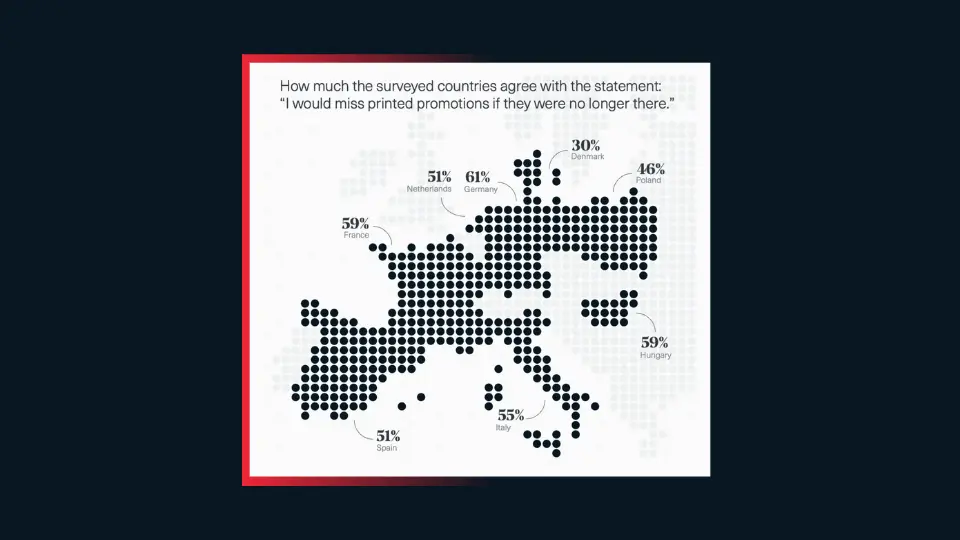
How would shoppers react to the death of print?
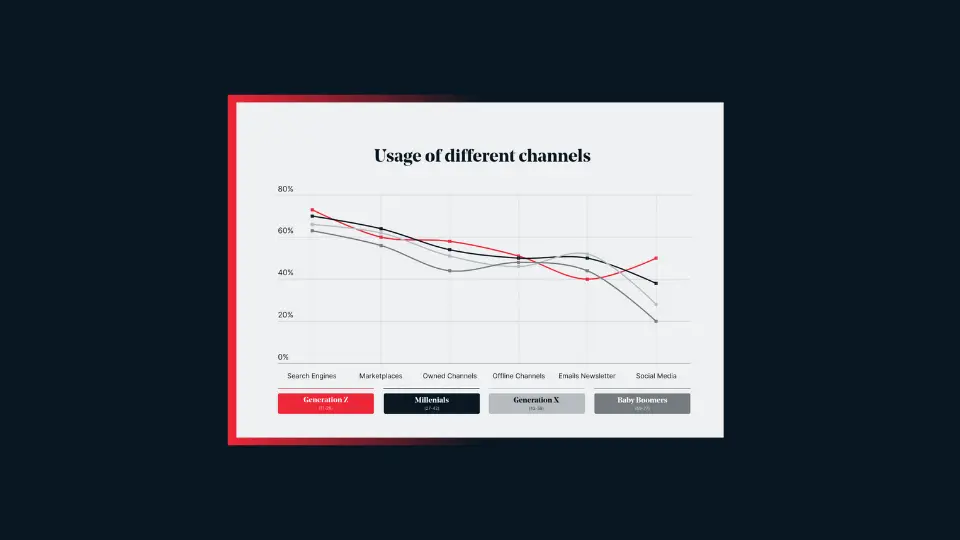
How different generations interact with catalogs
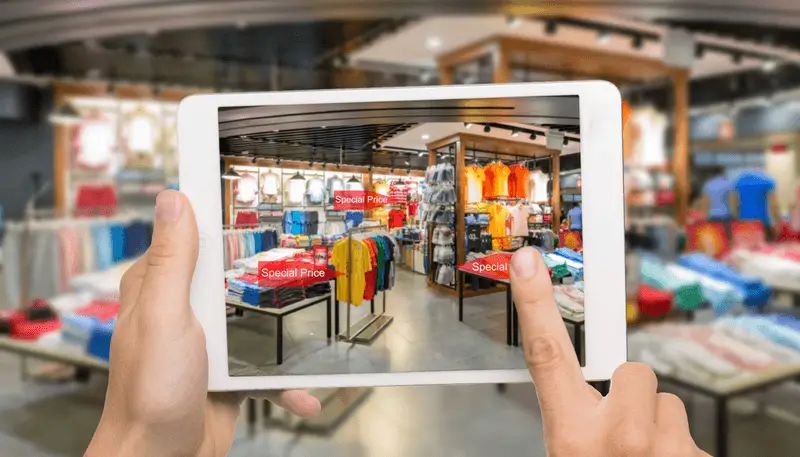
Why most retailers' digital transformations fail
Your catalogs will be in good hands
- We have over 20 year’s experience working with digital catalogs
- Our dedicated team of experts are on hand to guide you to success