The product discovery format ecommerce keeps overlooking


A shopper preparing their garden for summer might be interested in furniture, barbecues, plants, outdoor lighting, tableware and accessories. But on most ecommerce sites, those products live in completely different category pages.
And that disconnect leads to less to…
- Less storytelling opportunities
- Less cross-selling of product
- Less inspiration
Catalogs are different.
Instead of organizing products purely by product category, catalogs bring multiple product categories together around an occasion, season, trend or customer need.
And that makes digital catalogs a great format for product discovery in ecommerce.
The catalog format can drive discovery online
Ecommerce and social media has led to a reduction of printed catalogs. Many retailers, including IKEA, have phased out print.
But the catalog format still has something ecommerce can learn from.
Shoppers understand catalogs. They know they're to be browsed rather than searched. And, unlike a category page, a catalog doesn't have to limit itself to one product category.
That's particularly useful for specific themes or campaigns.
A Christmas catalog can move between decorations, food, gifts and tableware. A back-to-school campaign catalog can be filled with everything from backpacks and rulers to rainwear and pencil cases.
The common denominator is the specific occasion, season or trend, which any single product category can’t cover.
What can catalogs offer ecommerce?
Here’s a 3 things catalogs can bring to an ecommerce business:
1. Brand storytelling
A catalog is more than a collection of products. It’s a curated online experience, which means there's room to communicate more than product names and prices.
A theme makes it possible to tell a story.
Instead of simply advertising outdoor furniture, for example, you can build a campaign around spending more time outside during summer and why that’s important..
Products can then be presented in that context through photography, video, copy and design.
It gives you more control over how products are experienced, and it tells a story with a message.
Because the theme provides a common thread, products from very different categories can comfortably appear naturally alongside each other.
2. Cross-selling
One of the strengths of catalogs has always been the ability to display related products together.
Products can be paired, placed in context and presented as part of a larger solution.
Think about an outdoor dining image. The shopper might initially be interested in the table, but also notice the chairs, parasol, glasses, plates or lighting.
Catalogs can help shoppers visualize how products fit together, and introduce them to products they weren't actively searching for – and that can lead to cross-selling.
3. Inspiration
Theme catalogs are also particularly suited to people who are browsing, or ‘just looking’, which is 83% of all ecommerce visitors.
Those visitors don’t necessarily start their Christmas shopping knowing they want a particular toy, lamp or coffee machine. They simply want gift ideas.
They need to be inspired.
A theme catalog can take shoppers on a more guided journey. Instead of asking them to select a category and immediately start narrowing down hundreds of products, it gives them a smaller product selection of multiple categories to browse and be inspired by.
And that makes it easier to find the thing that they didn’t even know they were looking for.
Catalogs no longer require a print workflow
Digital catalogs can now be created directly from the same product data that powers the rest of an ecommerce site.
Product images, names, prices and other information can come from the product feed. Templates define the design, while rules and automation handle much of the repetitive work.
So even if you've never produced a PDF catalog, you can use the format.
Conclusion
Catalogs give shoppers a different way to explore your ecommerce and products. By bringing products from different categories together around a season, occasion or need, catalogs create more opportunities for product discovery, inspiration and cross-selling.
And you don’t need an existing catalog or PDF workflow to create them. Using product feeds, templates and automation, catalogs can become a scalable part of how you help the 83% of visitors who are still browsing to discover what they didn’t even know they were looking for.
Continue Reading
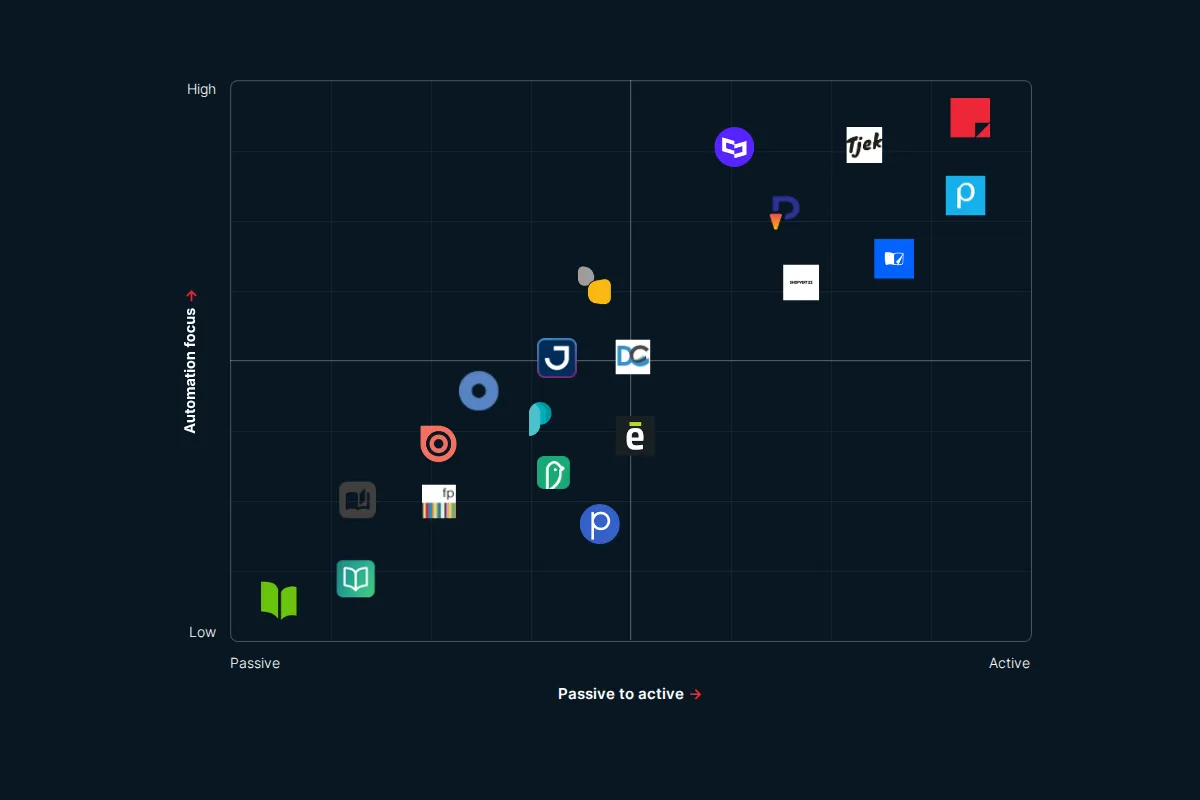
The digital catalog software landscape in 2026

The Issuu alternative that's serious about selling

The Flipsnack alternative for retail marketing teams
Your catalogs will be in good hands
- We have over 20 years experience working with digital catalogs
- Our dedicated team of experts are on hand to guide you to success