The product discovery format ecommerce keeps overlooking


The catalog format can still drive demand
The rise of ecommerce and social media has coincided with the decline of printed advertising. Especially for driving demand in retail. But it’s not yet finished as a format. Catalog mailings in the US have been steadily increasing since 2015. Surprisingly it’s millennials who are the demographic engaging most catalogs. Shoppers understand the format. They know what they’re going to get when they pick up a catalog.
Many retailers such as IKEA have phased out printed catalogs. But other big retail brands such as Anthropologie and Patagonia continue to invest in the format. The IKEA digital catalog is still an important medium for their brand. Fast growing direct-to-consumer brands have also contributed to a renaissance in catalog marketing. Even Amazon, the leading player in ecommerce now has a printed catalog for holiday shoppers.

What can catalogs offer ecommerce?
Catalogs and leaflets are a tried and trusted format. They combine striking visual elements and brand storytelling to enable product discovery. Catalogs also provide unique opportunities for social media marketing to attract browsing shoppers. I’ll explore these elements in detail to explain why they’re important for ecommerce.
Brand storytelling
Brand storytelling is one of the most powerful concepts of advertising. Creating a narrative for your business helps shoppers connect with your brand. Advertising products and services cannot do this. Branding in retail is focused on creating a memorable impression with shoppers. But to attract younger generations it’s important to define your brand purpose. They need to feel an emotional connection with the brand before buying.
A catalog is a brands’ personal publication. It highlights not only products and services. But represents your values, your mission and reason for being. These help build an emotional connection with shoppers. Which is a powerful factor in driving purchasing behavior.
Your goal in retail branding is to become a preferred destination for shopping in your category. Brands need to define why they exist in the first place. You’re not the only brand on the market in your niche, and even if you have an edge, competitors can copy you. So telling your brand's story can help you stand out from the competition. Explain why you're better, and why shoppers should buy products from you instead of your competitors.
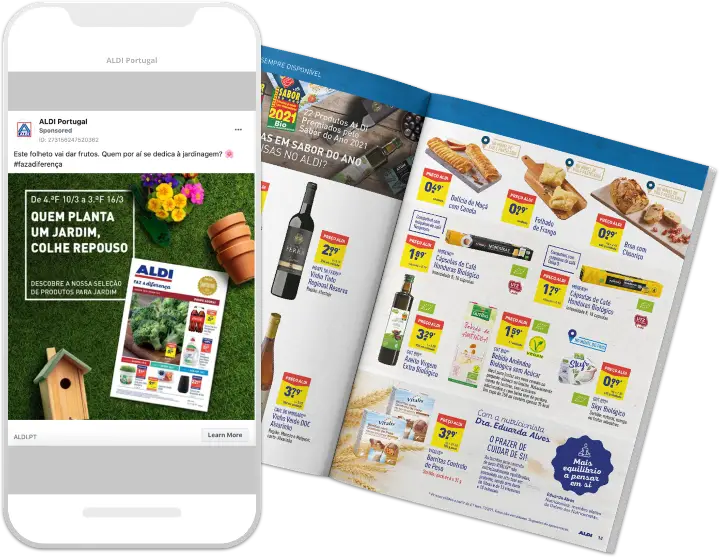
Attracting browsing shoppers
A huge 46% of the visitors to online stores are browsing. They’re visiting without intending to buy, or don’t know what they want to buy. You need to inspire browsers before they’re willing to buy. Retailers need to adjust their marketing strategy to cater for browsing shoppers. Ensure there’s a consistent narrative along the journey. From advertising campaigns to the shopping experience to finally buying.
Browsing a catalog takes the shopper on an inspirational journey. Whether price focused or inspiration focused. Brands can tell their story from beginning to end. Shoppers online won’t scroll forever through an endless grid of products. But when browsing a catalog, they’ll flick and swipe through many pages. The limited format encourages shoppers to read until the end.
The importance of inspiration in product discovery
Catalogs can play an important role in driving product discovery. It’s the ideal format for displaying related products together. Brands can use catalogs for cross-selling and product pairing. Encouraging consumers to consider products they weren’t searching for.
The power of catalogs is increasing product appeal. Enhancing a shopper’s ability to visualize and imagine themselves using the product. For 93% of shoppers, high quality images and videos are a key driver of purchasing decisions. People process images 60,000 times faster than text, and 90% of the information that's sent to our brain is visual.
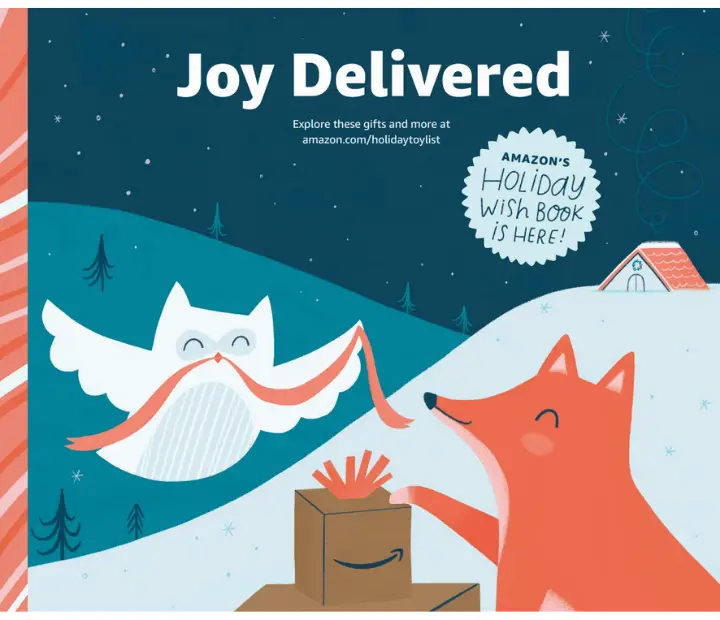
Consider Amazon again. According to Amazon, the 2020 holiday catalog or wish book “Joy Delivered” sparks holiday inspiration. Amazon encourages shoppers to cozy up and explore the shoppable Wish Book. They can do this from the comfort of their home. Shoppers should open the Wish Book. Click on the products to learn more, see the current price, and add them to their Amazon cart. If Amazon is using a catalog for product inspiration. Then there’s a good chance that other retailers will follow.
The role of catalogs in digital marketing
Marketers can use digital catalogs to combine the benefits of the printed format and engage with shoppers in online channels. Start by sharing the catalog across your social media channels. Highlight the catalog on the front page of your ecommerce store. And, send the catalog in your weekly newsletter. All these tactics will help drive traffic to your catalog.
Incorporate digital elements such as video, quizzes and image carousels. These can turn the catalog into an immersive and interactive experience. Shoppers are more likely to share engaging catalogs on social media channels. This increases reach and further engagement.
Digital catalogs can also feature more detailed product information. Helping educate shoppers and compare similar products. Guiding but not pushing shoppers towards purchasing. Retailers can integrate catalogs into a comprehensive ecommerce solution. For seamless additions to cart and checkout.
Retailers should not disregard significance of the catalog shopping format. Incorporate brand storytelling, inspirational product discovery and striking visuals. Importantly, don’t forget to share catalogs on social media channels to drive demand. These changes will go a long way to helping retailers improve their ecommerce shopping experience.
Continue Reading
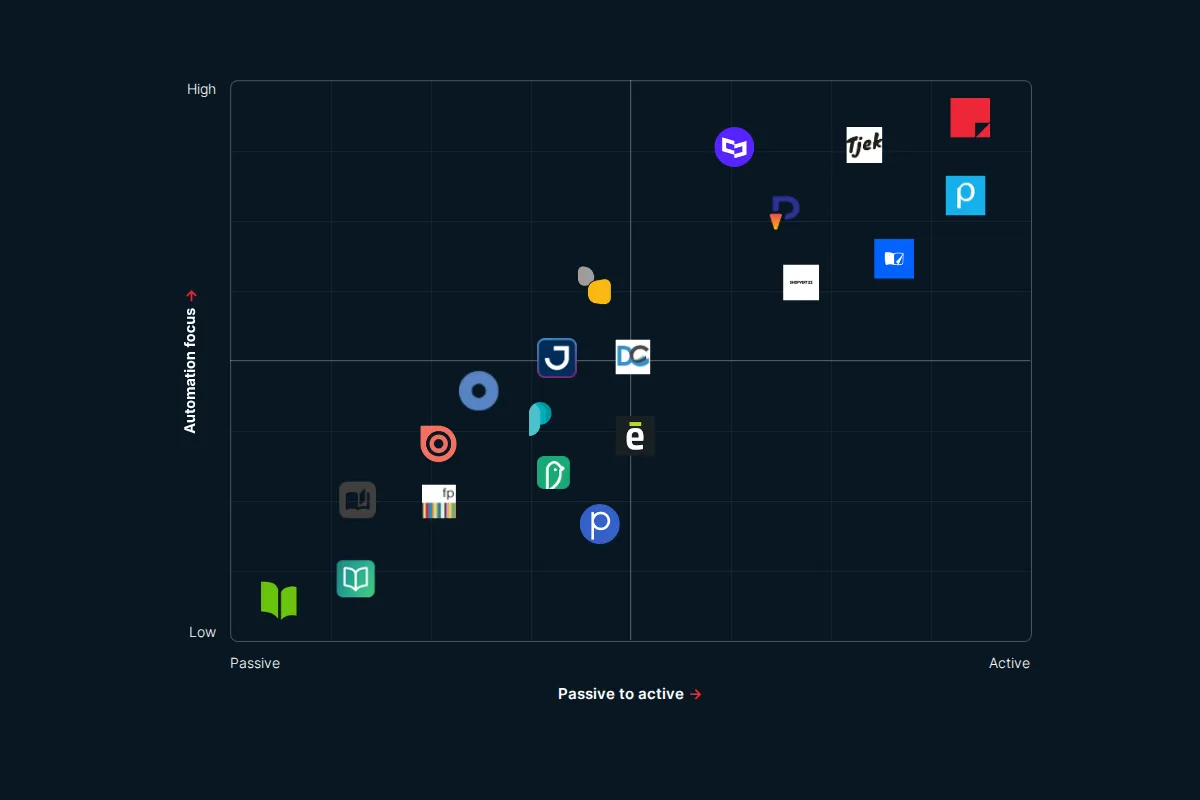
The digital catalog software landscape in 2026

The Issuu alternative that's serious about selling

The Flipsnack alternative for retail marketing teams
Your catalogs will be in good hands
- We have over 20 years experience working with digital catalogs
- Our dedicated team of experts are on hand to guide you to success