The Publitas alternative for scaling catalog production


Where does Publitas fit in the market?
Plenty of catalog tools are just online viewers or publishers that let you put a PDF online. Publitas and iPaper go further: both connect catalogs to products and webshops, so shoppers can buy from the page they’re on.
That’s a small group. Out of more than 50 catalog and flipbook tools on the market, only a handful are built this way. We’ve mapped the main players on both sides in the digital catalog software landscape. So this comparison is between two capable retail platforms with different priorities.
iPaper is the Publitas alternative for marketers who:
- Publish catalogs often or across several markets
- Want automation to handle the repetitive work
- Need the setup to fit their existing product data
- Need the whole team on the platform without an enterprise contract
Try the automation yourself in our interactive demo
Publitas vs. iPaper compared: what is the difference?
Both platforms make retail content interactive and shoppable. Both work from PDFs or product data, connect products to ecommerce journeys and measure how shoppers interact. Where they differ is which plan you need for each feature.
So the real question isn't whether either platform can create shoppable digital catalogs. It's which approach fits the way your team produces, updates and scales them.
Publitas is built around publishing: upload a PDF, make it shoppable, share it. Their pricing structure covers that well. But once you need more, like checkout inside the catalog, automated product links or catalogs built from your feed, you move into Enterprise, where most of it is scoped on request.
iPaper is built for that growth path from the start. Begin with your PDF on Flipbooks, where the in-catalog basket, WhatsApp and email checkout and automated product links are included. Then when you want to move away from PDF production or it starts slowing you down, move to Horizon, build catalogs straight from your product feed and let automation do the heavy lifting.
Each step is a standard plan with a published price, not a custom project. That's what lets you scale catalog production without getting hit by a new sales process every time you grow.
iPaper vs. Publitas: what's changed?
Some comparisons still list iPaper without landing pages or custom solutions. Here's where those stand today.
Why switch to iPaper?
Automate the repetitive work
Most catalog teams publish on a schedule: a weekly leaflet, a monthly offer, a seasonal catalog. The work around each one repeats.
With Flipbooks, you upload the PDF and enrichment automation adds the product links from your product data. Prices and stock can update daily, and you can line up several catalogs on the same URL so the next one goes live on its own.
With Horizon, the catalog itself is automated. Your feed, rulesets and templates build the pages, so a new campaign starts from your data instead of a blank layout.
Automate first, edit after
Automation is only useful when it saves work without limiting the campaign.
On Flipbooks, the enrichment editor lets you adjust what automation added: swap a link, add a video, highlight an offer. Price and stock changes can come in from your product data instead of a new upload.
On Horizon, the drag-and-drop editor works on top of the generated catalog. Move products, resize offer fields, add pages or change a layout for a seasonal push, without touching the templates behind it.
Unlimited users on all plans
On Publitas's listed plans, users are part of the package: Bronze, Silver and Gold each include one user. For iPaper, every plan comes with unlimited users and no startup fees, so the whole marketing team can work in it.
A setup built around your business
No two retailers produce catalogs the same way. Product feeds, price structures, campaign formats, brand guidelines, markets and approval processes all differ.
On Publitas, tailored setup and custom solutions sit in Enterprise. On iPaper Horizon, our team sets up the production system with you before you go live, on every plan, and adjusts it when your setup changes. On Flipbooks, personal onboarding and an implementation specialist are included from Commerce Plus. Free human support is included too.
That makes iPaper a strong fit for retailers who want a working production system, not just access to another editor.
JYSK, one of the biggest retailers in Scandinavia, put it well:
iPaper is constantly focusing on optimizing features and highlighting business opportunities."
Read the full JYSK customer case here.
Track catalog visits and performance
Every iPaper catalog comes with built-in statistics, so you can see how shoppers engage without extra setup. You can also connect your own analytics, such as GA4, so catalog activity sits right next to the rest of your webshop data. Cross-domain tracking follows shoppers from the catalog into the webshop, so you can see which catalog visits turn into sales.
Danish online retailer 10-4 compared webshop sessions from visitors who used an iPaper catalog with sessions from visitors who didn't. Biased as we are, here’s what they found:
Is iPaper the right Publitas alternative for you?
Publitas is a serious, retail-focused platform used by many retailers. If you mainly publish PDFs and want to make them shoppable, it does that well, and its entry plans are an affordable way to start.
Consider iPaper when you:
- Want to start from either a PDF or a product feed
- Are tired of repeating the same setup across frequent campaigns
- Publish across several markets, formats or campaign types
- Want automation to do the heavy lifting while your team keeps the final say
If you want to scale catalog production without scaling the manual work, that's the gap iPaper fills.
See how iPaper works with your workflow
The best way to compare catalog platforms isn't counting checkmarks. Bring your current PDF, product feed or recurring campaign workflow and see how iPaper handles it.
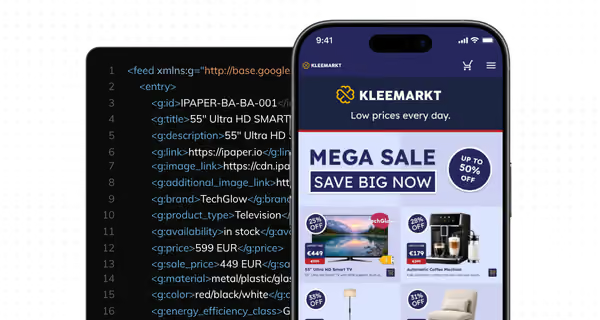
Start from product data
Build shoppable catalogs from your webshop's product data. Products are added and updated automatically.
Get started with iPaper Horizon
Start from a PDF
Upload your PDF and make it shoppable, with links to your webshop or checkout in the catalog.
Get started with iPaper Flipbooks
FAQ
Is iPaper a good alternative to Publitas? Yes. Both are active, integrated digital catalog platforms built for retailers. iPaper is especially relevant for teams that want to automate recurring catalog production while keeping control over individual layouts and campaigns. It works from existing PDFs and from product data.
What's the main difference between iPaper and Publitas? Where the core features sit. Publitas focuses on publishing shoppable PDFs, and features like in-catalog checkout, automation and catalogs built from your feed are part of its Enterprise plan. On iPaper, they're part of standard plans, with a clear path from PDF catalogs to catalogs built automatically from your product feed.
Do I need an enterprise plan to automate catalog production on iPaper? No. Automation is part of our standard plans, whether you build catalogs from your product feed or start from a PDF. As your production grows, higher plans give you more capacity, not a different contract.
Can iPaper create a catalog without a PDF? Yes. iPaper builds digital-first catalogs directly from a product feed using templates and rulesets. Marketers can then adjust the result in a drag-and-drop editor. iPaper also turns existing PDFs into interactive, shoppable catalogs.
Can iPaper schedule several catalogs at once? Yes. You can line up several catalogs in advance and let each one go live on schedule, instead of timing each one and putting them online manually.
Does iPaper have shopper analytics? Yes. iPaper supports catalog statistics and integrations with Google Analytics 4 and Google Tag Manager on every plan. Cross-domain tracking follows shoppers from the catalog into your webshop.
Can I try iPaper before I switch? Yes, both ways of working offer a free 14-day trial. Starting from a PDF? Start a free Flipbooks trial and turn an existing PDF into an interactive, shoppable catalog. Want to build from product data? Request a free Horizon trial and we'll set up your account with your product feed and brand.
Continue Reading
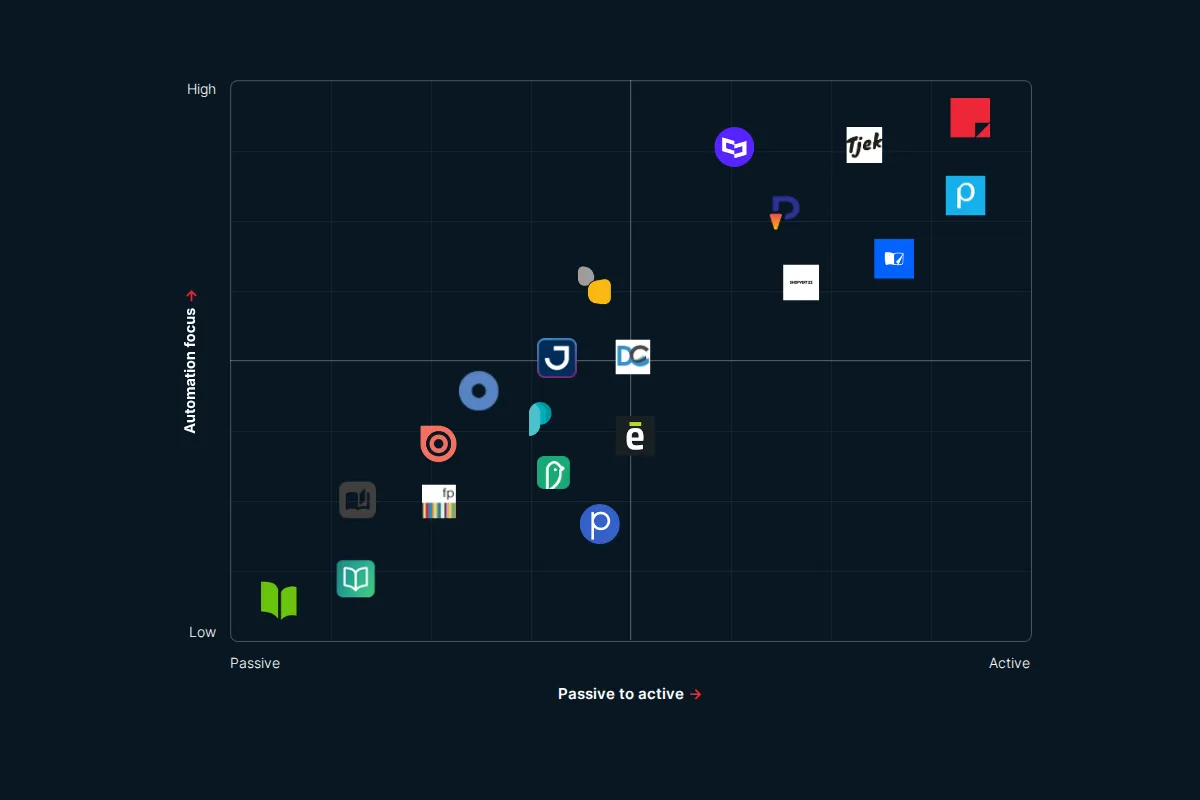
The digital catalog software landscape in 2026
The Issuu alternative that's serious about selling
The Flipsnack alternative for retail marketing teams
Your catalogs will be in good hands
- We have over 20 years experience working with digital catalogs
- Our dedicated team of experts are on hand to guide you to success