How different generations use printed and digital catalogs


Most retailers want a digital transformation of print to save costs, get simpler workflows and gain flexibility. But when considering and planning such changes, it’s very important to know how different generations use print vs. digital catalogs, what they value and what they want.
How different generations use printed catalogs
Printed catalogs are still used across generations, but how and when shoppers use them varies.
According to the survey, 77% of Baby Boomers use printed leaflets to plan shopping trips at home, compared to 63% of Gen Z shoppers.
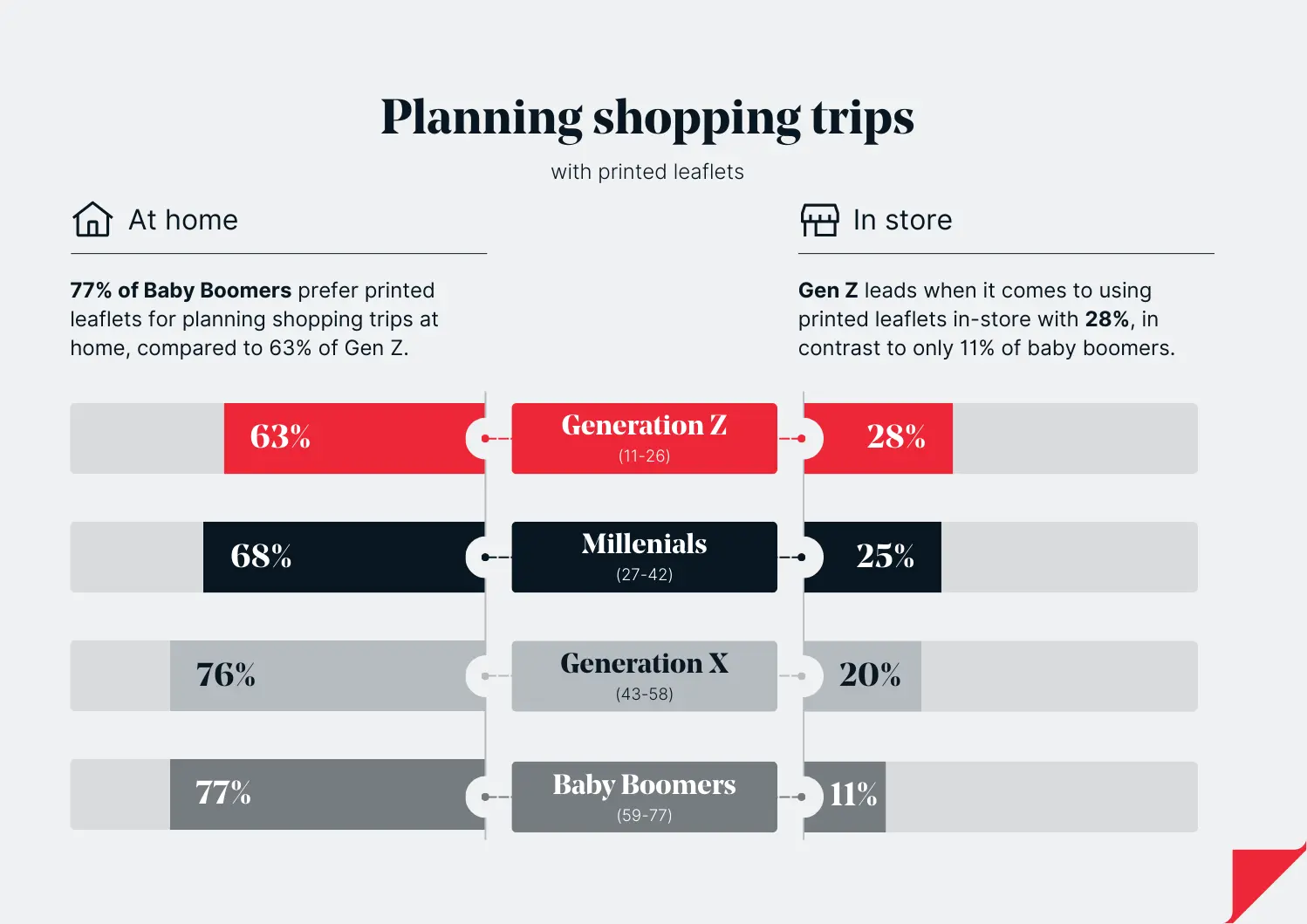
However, Gen Z is more likely to use printed leaflets while shopping in-store:
- 28% of Gen Z use printed leaflets in-store.
- 11% of Baby Boomers use printed leaflets in-store.
These findings show that older generations are more likely to use printed catalogs to prepare before shopping, while younger shoppers are more likely to use them during their store visit.
How printed and digital catalog usage compares
The survey shows that Gen Z uses both printed and digital catalogs less than other generations.
It also highlights different reasons why shoppers use each format:
- Digital catalogs are primarily used to stay informed about products, prices and offers.
- Printed catalogs are primarily used to find inspiration for what to buy.
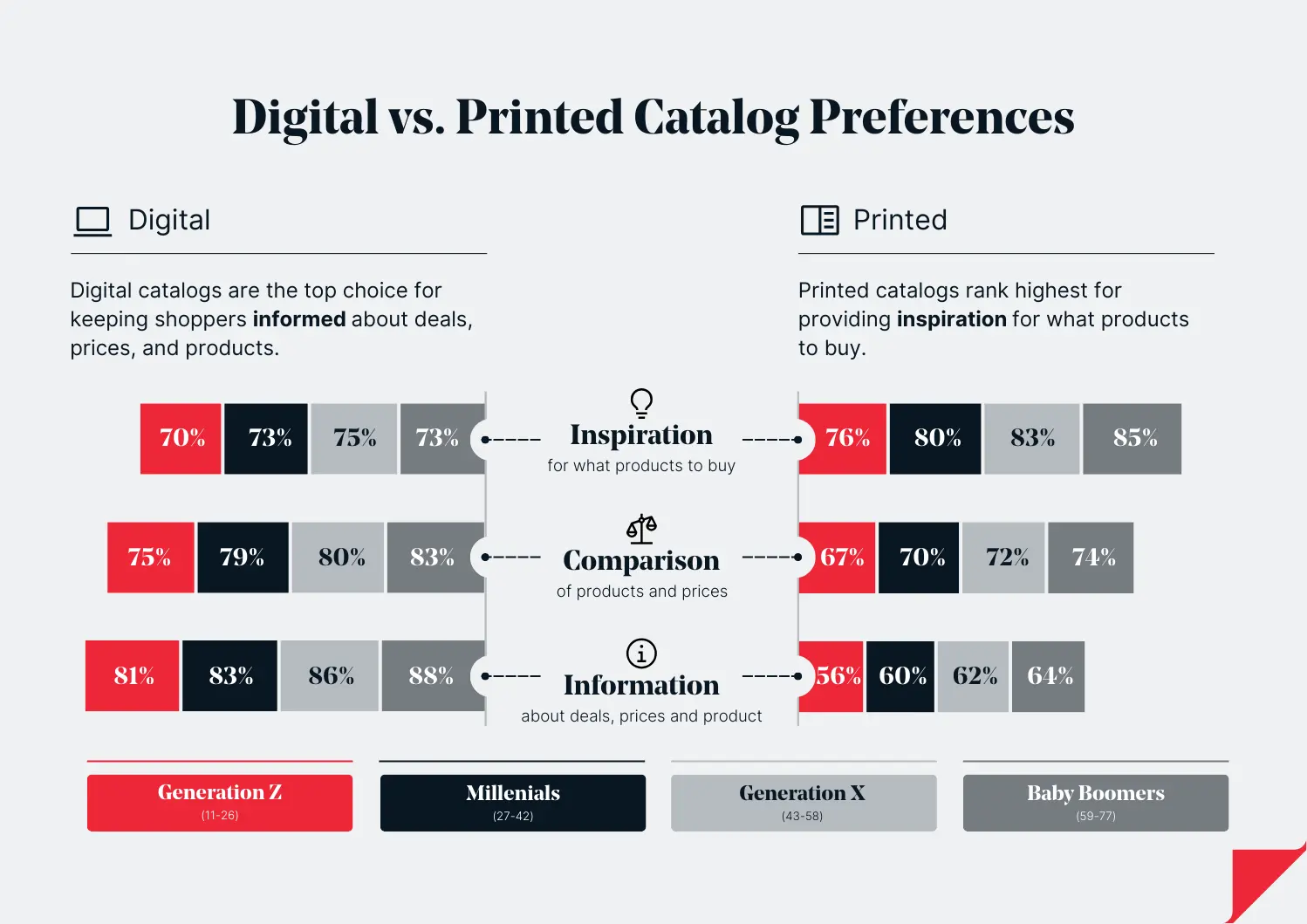
Digital catalogs can make it easier to search for products and access current information. Printed catalogs, on the other hand, provide a browsing experience that shoppers may prefer when looking for inspiration.
Both formats serve different purposes throughout the shopping journey.
How Gen Z discovers products and offers
Gen Z generally uses more channels during their shopping journey than older generations.
Alongside catalogs, they use websites, apps and social media to discover products and find information.
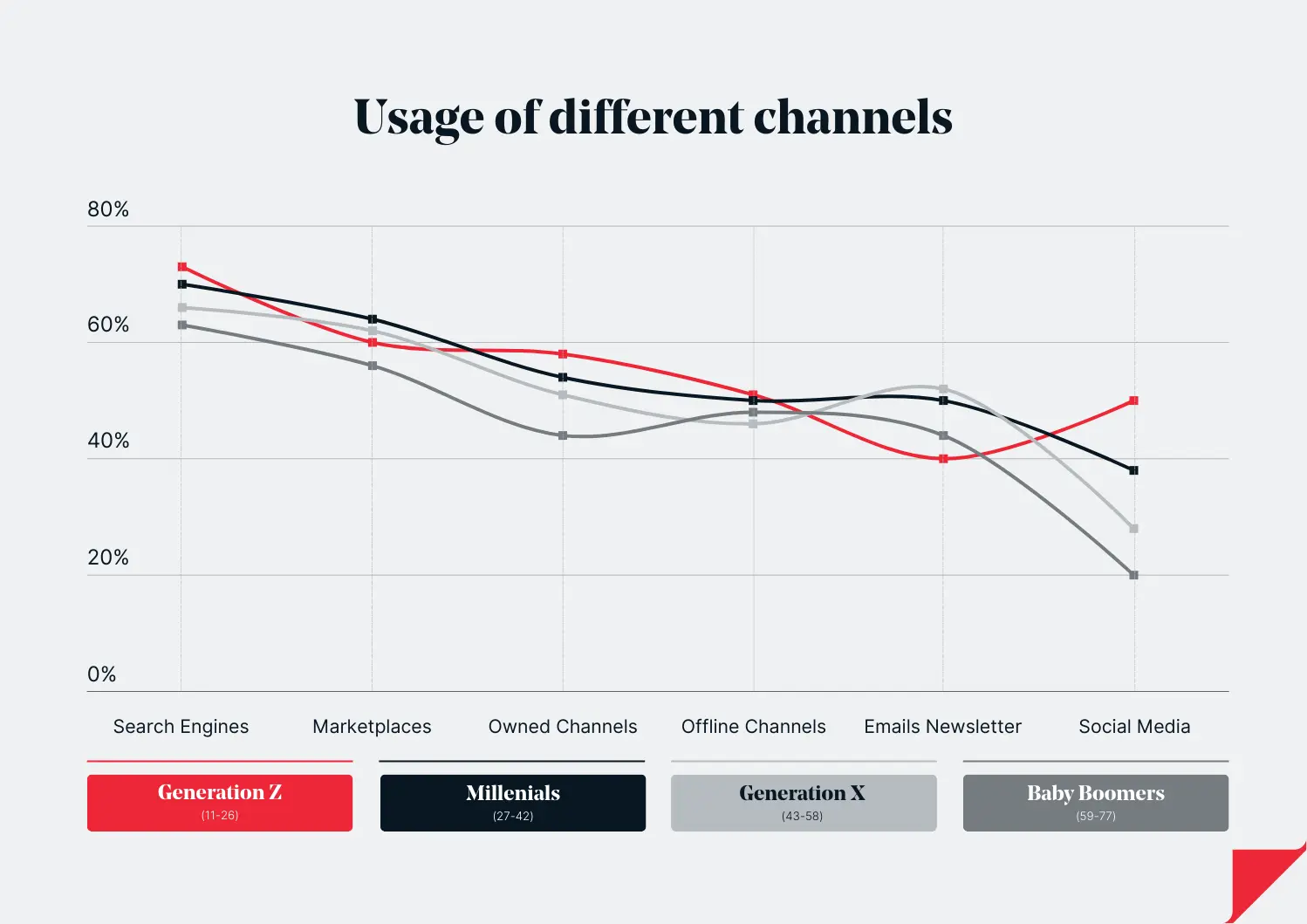
The survey also shows that Gen Z uses social media more than other generations.
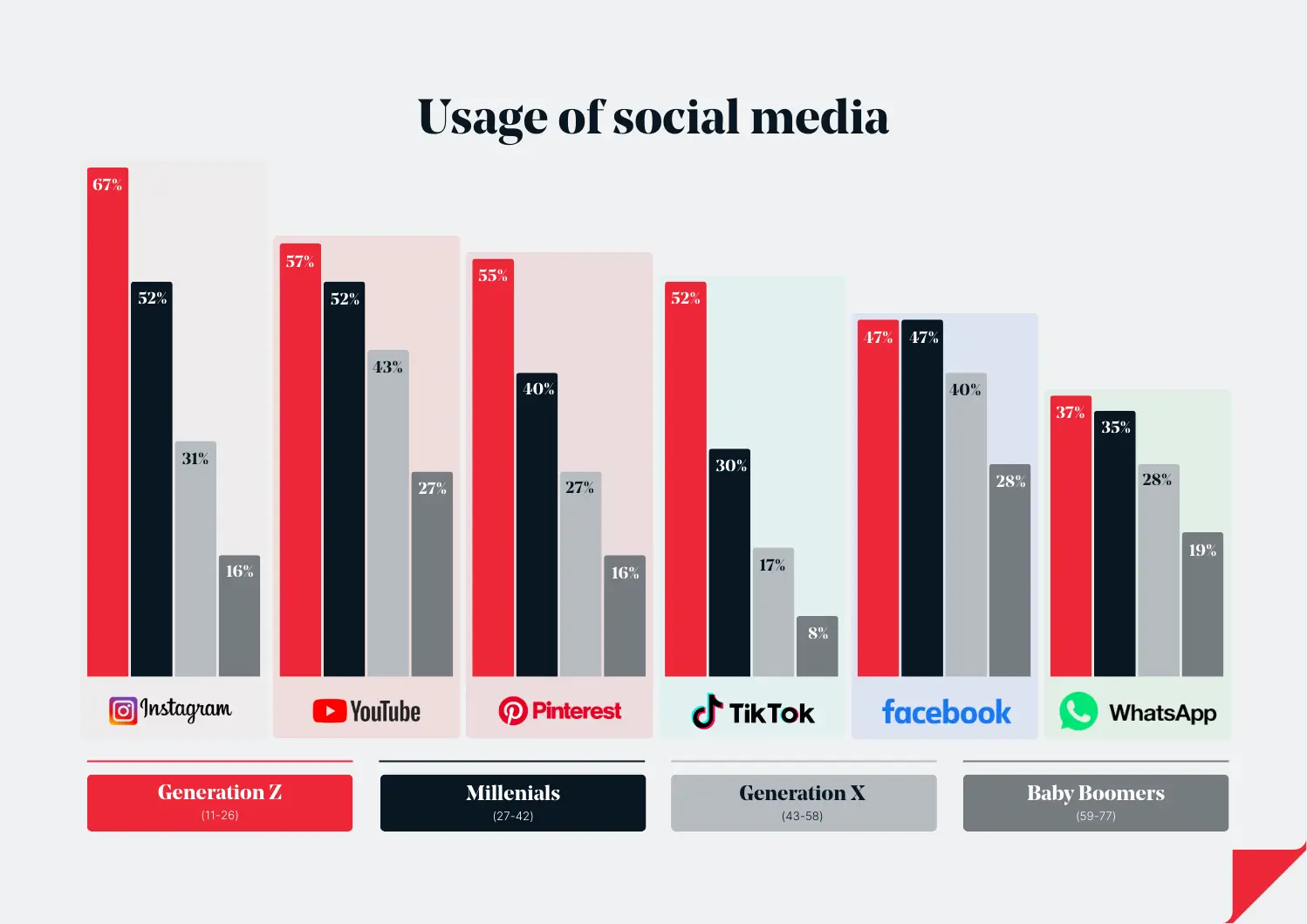
This may help explain why Gen Z uses digital catalogs less frequently. Rather than relying on a single channel, younger shoppers may discover products and offers across several different platforms.
Which digital catalog features do shoppers value?
The survey asked shoppers about the benefits of different digital catalog features.
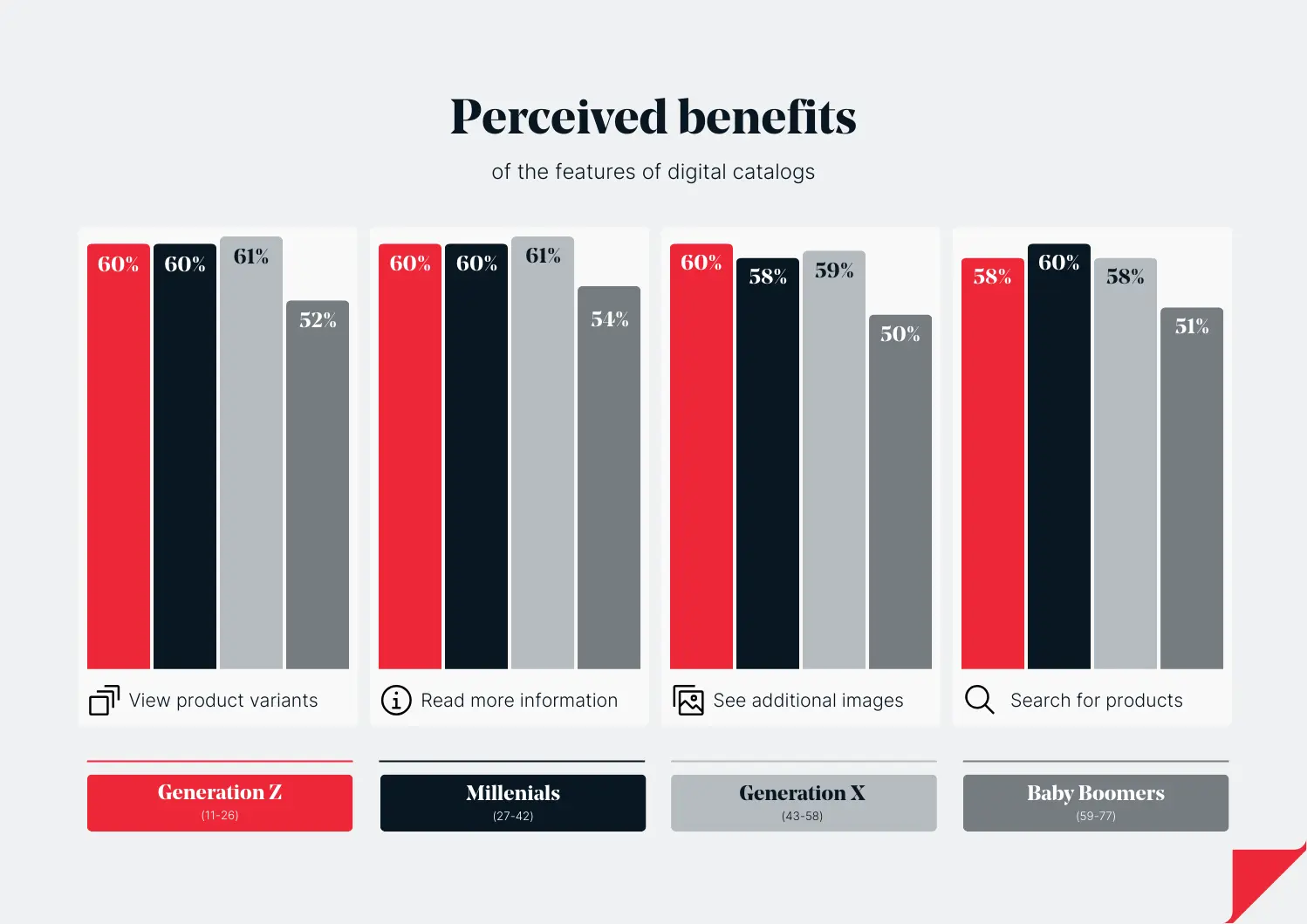
Overall, Baby Boomers rated all digital catalog features as less beneficial than the other generations. The lower ratings across digital features may suggest that a simpler browsing experience is more relevant than additional interactive functionality.
While preferences vary between generations, the findings suggest that shoppers value access to detailed product information and easy navigation.
Some of the features considered include:
- Interactive content: Videos and 360-degree product views that provide additional product information.
- Personalized recommendations: Product suggestions based on shoppers' interests or behavior.
- Easy navigation: Features that help shoppers find relevant products and information.
- Mobile accessibility: The ability to browse catalogs on mobile devices.
- Online availability: Access to digital catalogs whenever shoppers need them.
What does this mean for retailers?
The survey highlights several considerations for retailers using printed and digital catalogs as part of their marketing strategy.
1. Consider how different generations use catalogs
Not all shoppers use catalogs in the same way.
Printed catalogs may be particularly relevant for reaching older shoppers who prefer planning at home, while digital catalogs can help shoppers access information about products, prices and offers.
Consider how both print and digital can support your target audience.
2. Connect printed and digital experiences
Printed and digital catalogs can work together.
For example, adding QR codes to printed catalogs allows shoppers to access digital product information or continue their shopping journey online.
This gives shoppers the option to move between channels depending on their preferences.
3. Make product information easy to find
Regardless of generation, shoppers benefit from being able to find relevant product information.
Clear navigation, detailed product descriptions and accessible pricing information can make digital catalogs easier to use.
4. Choose digital features based on your audience
Interactive features can provide additional information and ways to explore products, but not all shoppers value them equally.
For example, younger shoppers may appreciate interactive content and personalized recommendations, while older shoppers may prefer a simpler experience.
When choosing which features to include, consider the age, needs and browsing habits of your target audience.
Key takeaways
The European Shopper Survey shows that printed and digital catalogs continue to serve different purposes across generations:
- Baby Boomers are more likely to use printed catalogs to plan shopping trips at home.
- Gen Z is more likely to use printed leaflets in-store and discover products through a wider range of digital channels.
- Digital catalogs are particularly useful for sharing information about products, prices and offers, while printed catalogs remain a source of shopping inspiration.
By understanding how different generations use these formats, retailers can make more informed decisions about their catalogs, their features and distribution.
Continue Reading
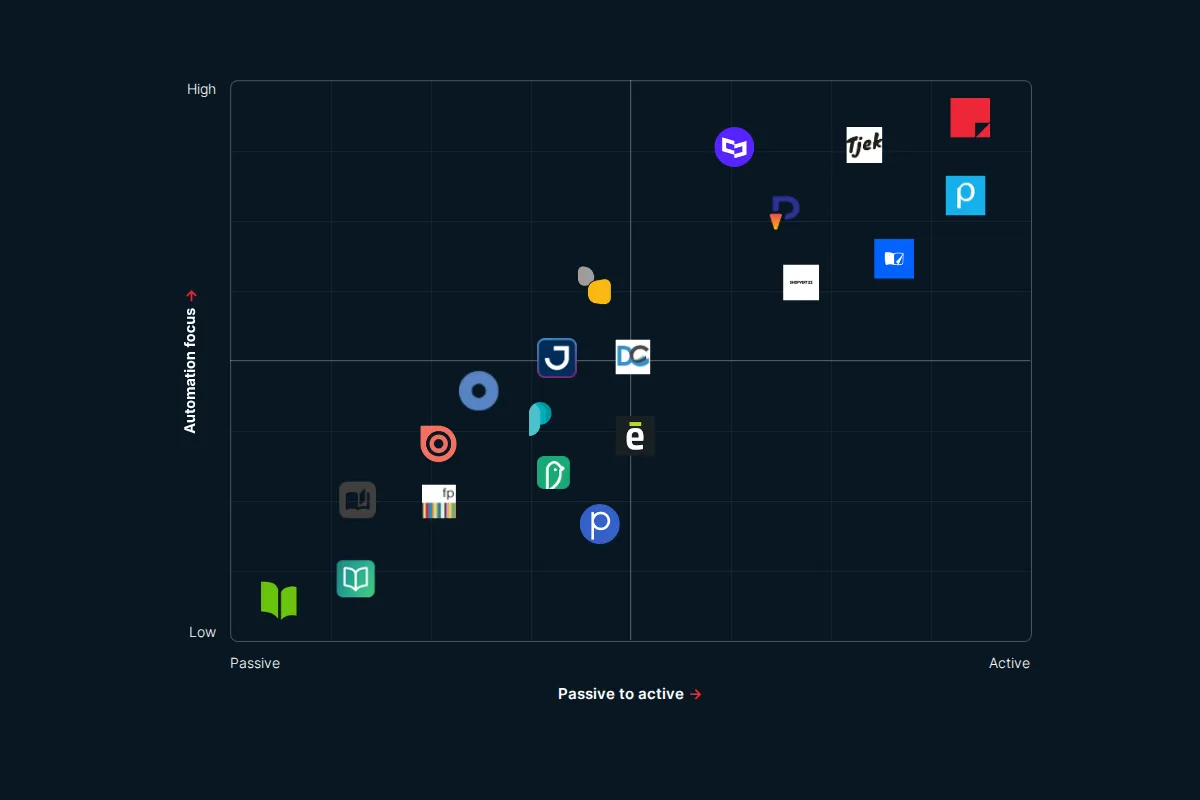
The digital catalog software landscape in 2026

The Issuu alternative that's serious about selling
The Flipsnack alternative for retail marketing teams
Your catalogs will be in good hands
- We have over 20 years experience working with digital catalogs
- Our dedicated team of experts are on hand to guide you to success