Re-thinking the analog mindset in retail


What Is a digital-first mindset?
The core of retail today and how it operates boils down to buying products from vendors, and selling them further to consumers at a mark-up. A driving tactic to get people to flock to your store instead of other retailers selling the same product, is promotions.
Traditionally, a lot of this promotion happened through print. Leaflets, in some markets known as circulars or catalogs, were sent out on a massive scale, and informed people about the latest offers.
As more channels, like TV advertising, became available. Retailers added these on top of their existing ones to ensure they could maintain or grow the reach of their promotion. However, with digital, there is an opportunity to not only see it as another promotion or sales channel.
Many retail leaders still think that digital success is just optimizing e-commerce profits, but they are missing the bigger picture.
A digital-first mindset means placing digital central to help all parts of the business work together to meet online and offline demand and grow customer value over time.
Key challenges for retailers who want to transition from analog to digital
At iPaper, we often see that we can’t just offer retailers a solution that digitalizes their leaflets. We also need to work with them to rethink how the process of creating and promoting these leaflets is best done to fit the format into a digital world.
To successfully operate from a true digital-first perspective can be challenging, and often can be traced back to how the retailer is organized:
Sloed Ownership
According to Deloitte, 70% of transformation efforts fail, not because of the technology, but because of the people. Digital catalogs often remain stuck between the marketing and e-commerce teams, with no clear ownership. The marketing department is often the team who owns our software and is tasked with creating and enriching the digital catalog. While it's the digital campaign manager who oversees promoting the catalog (and other promotional assets) on the digital channels.
If leadership is not aligned and sets separate goals, it can lead to situations where the two teams never sit together, as the digital catalogs gets seen as “just” an extension of the print campaign rather than exploring how to improve the digital experience (Fx. By optimizing the design of the pages to better fit on mobile).
Rigid Workflows
The traditional process for creating printed materials, often involving multiple teams and agencies, can take 8–12 weeks. This production cycle (planning, briefing, layouting reviewing and finally launch) is so institutionalized that each step basically eliminates any flexibility to make changes without incurring high costs in both re-production and time delays.
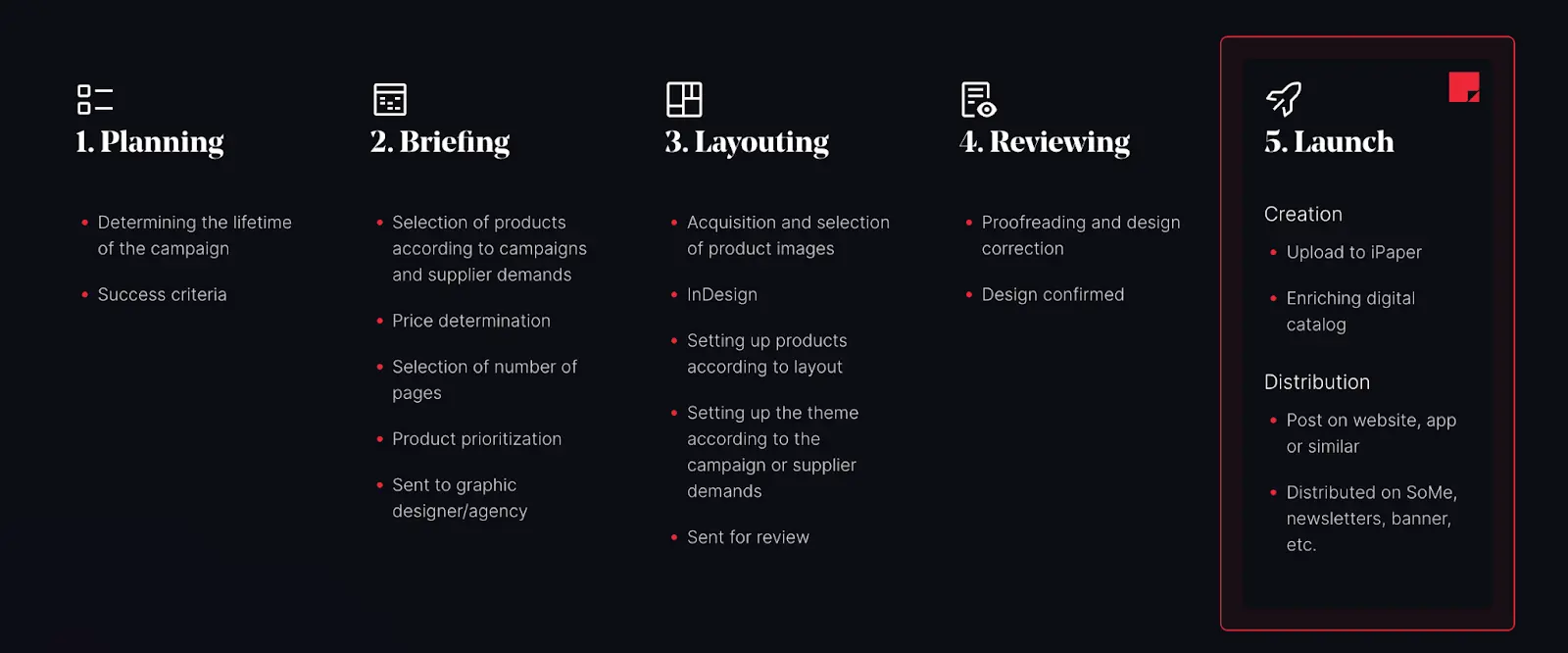
This analog process becomes less and less viable as pure online players put pressure on the market to become more agile to quickly respond to trends, competitor moves, or customer preferences.
Data Inefficiencies
In many ways, the two challenges above are results of many retailers lacking the proper data architecture in place to base their promotional campaigns on. We have seen examples of multinational retailers walking into our office carrying a physical binder with the product lists for next year's campaigns. This is not to say that these retailers don’t have the data available, but there is a lot of work to be done to make it actionable and usable for all teams across the business.
It is key to ensure that product information like stock or price updates is dynamic and automated through working with product feeds rather than depending on manual processes. This allows for more flexibility and agility with campaigns.
Besides operational data, teams should also be informed by a shared reporting based on connected data. For example, only 48% of executives measure the true costs and benefits of their omnichannel approach. There are clear negative consequences for not implementing proper measurement tools and reporting on shared KPIs leading to misalignment.
Conclusion
The retail world has evolved, but many retailers are still operating with an analog mindset. To remain competitive, retailers must pivot toward digital-first thinking that goes beyond just adding new technologies, which often requires organizational changes.
Continue Reading
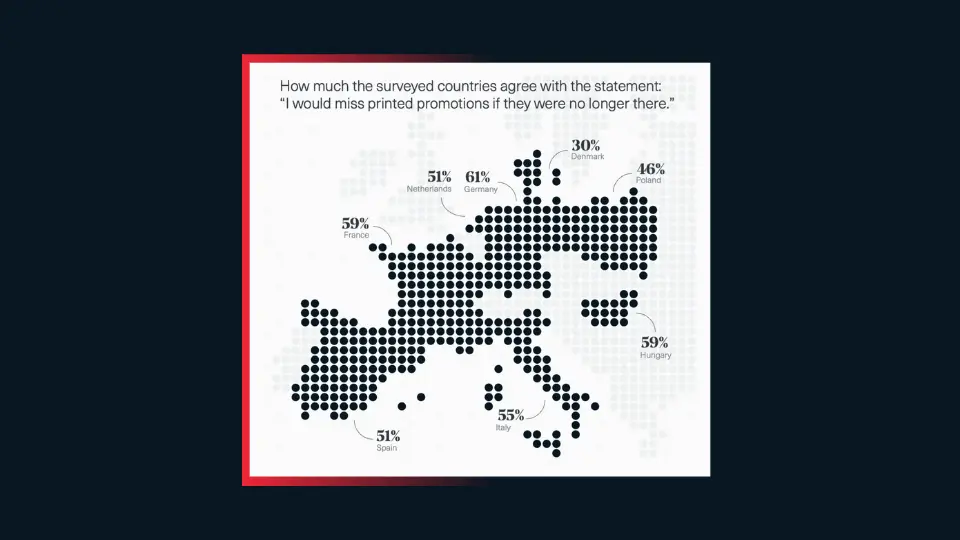
How would shoppers react to the death of print?
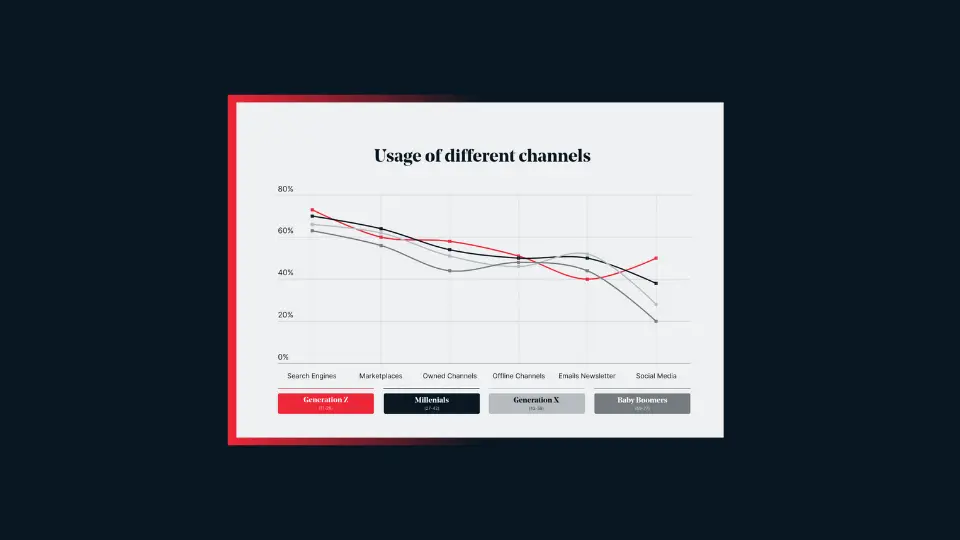
How different generations interact with catalogs

Why most retailers' digital transformations fail
Your catalogs will be in good hands
- We have over 20 year’s experience working with digital catalogs
- Our dedicated team of experts are on hand to guide you to success