Can retailers afford to stop printing?


It's a big elephant
For retailers, the cost of printing and distributing your weekly leaflet is the elephant in the room.
Printed leaflets are still a major tool in your marketing toolbox to drive traffic to your physical stores. It's one of the primary tactics to expose your brand to thousands of shoppers and keep them aware of what you offer.
But it also takes a lot of time and is extremely expensive to produce and distribute. And the recent supply chain issues and inflation are only making it worse.
In fact, we’ve seen cases in Europe where it takes up nearly 80% of the whole retail marketing budget!
So, what can you do to reduce print costs?
The core of the problem
Can you just kill the printed leaflet?
Surely, not in one go.
You simply can’t afford to lose the enormous reach the format still has. Without the printed leaflet, you would face a considerable risk to your business.
Instead, it’s often a stepwise process. You need to build a bridge between the old-school analog marketing of printed leaflets and the new digital media channels.
We’ve seen that for many retailers, digital leaflets can be that bridge.
Digital leaflets as the bridge to less print
The digital leaflet uses the same format that your shoppers understand, but combines it with more possibilities.
- Additional product information on clicks within the digital leaflet.
- Enrichments, like videos, animations and shop icons.
- Find the nearest store CTAs.
- And much more.
We’ve seen cases where videos and animations more than double the time spent in the digital catalog. Furthermore, if animated shopping icons are present, a significant amount of shoppers will click on them.
These functionalities of digital catalogs highlight the potential for retailers to add much more value online than with print: To give the shopper something extra in the digital world that they can’t get in print.
And providing those benefits makes it easier for you to slooowly transition toward less printing.
The next step
Although digital leaflets may be just one part of your overall marketing mix, they can play a crucial role in helping transition your shoppers from the analog to the digital world.
In the short term, you should invest in your digital leaflet and make sure it’s shoppable and engaging.
Longer term, you can consider slightly reducing print and scaling up digital investment (paid campaigns, influencer programs etc.). If revenue isn’t impacted, then you can consider reducing print slightly more.
This transition won’t happen overnight, and any major organizational change may take months or even years to realize the full benefits.
But the results in terms of shopper experience and lowering print cost will be worth it.
Continue Reading
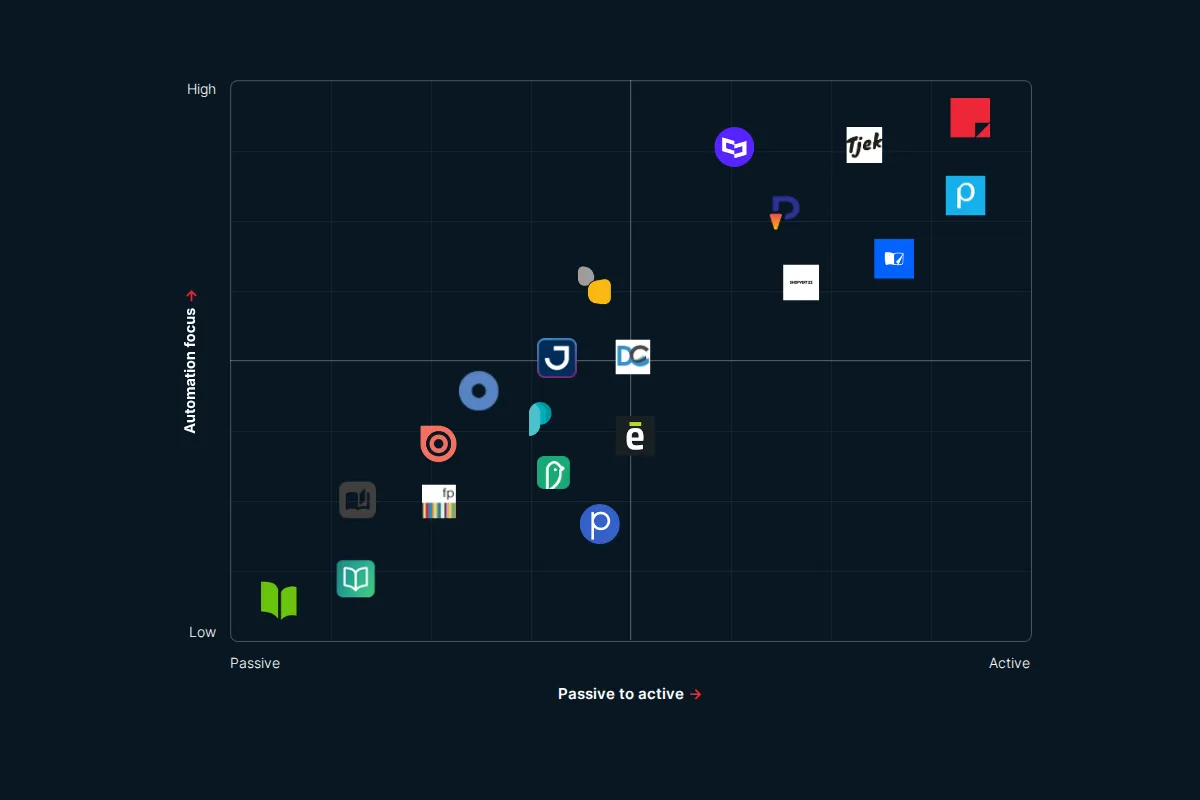
The digital catalog software landscape in 2026

The Issuu alternative that's serious about selling
The Flipsnack alternative for retail marketing teams
Your catalogs will be in good hands
- We have over 20 years experience working with digital catalogs
- Our dedicated team of experts are on hand to guide you to success