Why most retailers' digital transformations fail


What is digital transformation in retail?
When you ask retailers what digital transformation is to them, you will get different answers from practically everyone.
So, let’s start by defining it…
- Digital transformation: Making broader organizational changes using technology to improve operations and customer experiences.
For retailers, digital transformation can involve connecting online and offline channels, improving how customer data is used and creating more consistent shopping experiences.
However, introducing new technology alone does not necessarily mean an organization has undergone digital transformation.
Why is digital transformation challenging?
One of the main challenges is ensuring that an organization's processes and ways of working can support new technology.
Linda Mason, principal consultant at Applied Retail Transformation, points to the way retail organizations have developed over time:
As retailers expanded, they moved from personal customer relationships toward mass communication through printed advertising, television and digital channels.
At the same time, growing organizations developed separate departments, systems and processes.
Today, retailers may have different teams responsible for physical stores, ecommerce, marketing and product management.
When these teams work independently, introducing digital solutions across the organization can become difficult.
Why organizational changes matter
Retailers may already have access to the technology they need, but their existing processes and silos can prevent them from using it effectively.
For example, if physical stores and ecommerce teams are measured separately, they may focus on their individual channels rather than the overall customer journey – and can therefore struggle to implement the same technology.
Digital transformation therefore often requires changes to how departments collaborate, share information and measure success.
How can retailers approach digital transformation?
Digital transformation requires both technical and organizational planning.
Here are four areas to consider:
- Review existing processes: Identify which workflows and systems may need to change before introducing new technology.
- Improve collaboration: Make sure departments share information and work toward common objectives.
- Consider the customer journey: Look at how different channels work together rather than evaluating them separately.
- Introduce changes gradually: Start with solutions that existing systems and processes can support, then expand as the organization develops.
An example: Moving from printed to digital catalogs
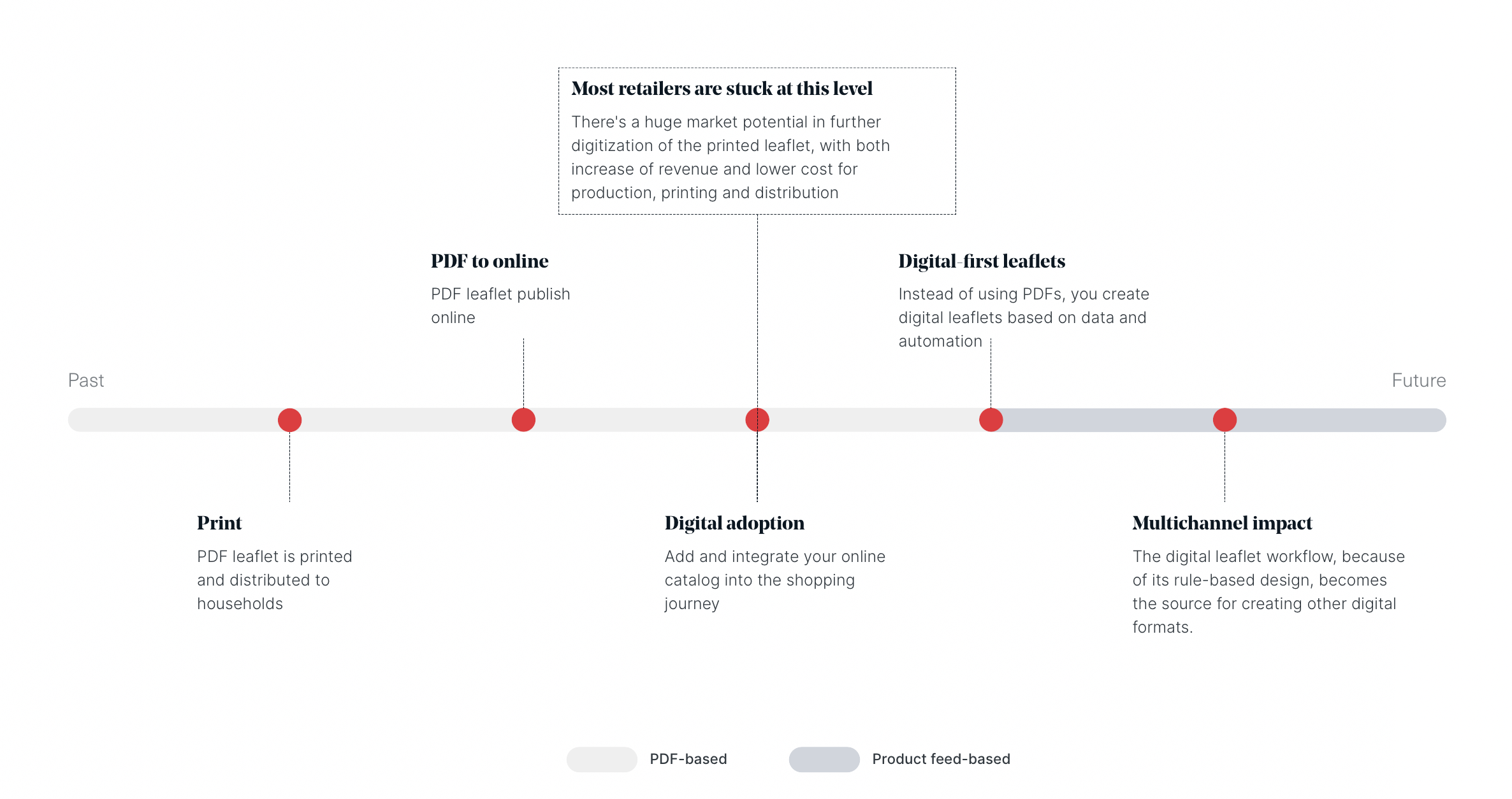
The transition from printed to digital catalogs is one example of digital transformation in retail.
Some retailers want to reduce their use of printed catalogs, and replace them with digital alternatives.
Making this transition depends on the organization's existing systems, data and processes.
Before moving to digital catalogs, retailers should consider:
- Internal processes: Are there workflows for creating and maintaining digital catalogs?
- Organizational responsibilities: Are the relevant teams aligned on how digital catalogs should be managed?
- Customer behavior: How do shoppers currently use printed catalogs vs. digital catalogs?
- Channel integration: Can digital catalogs connect with existing ecommerce systems?
Moving from printed to digital catalogs doesn’t need to happen all at once.
For example, a retailer might start by converting printed catalogs into digital, and then later add interactive features or connect the digital catalogs with other systems.
Summary
Digital transformation isn’t as simple as buying new technology.
Retail companies today consist of multiple separate departments, systems and processes. When the teams work independently, and with different goals, introducing digital technology across the organization becomes difficult.
A successful digital transformation requires retailers to review their internal processes and how different departments work together before implementing the new technology.
Taking a gradual approach can help retailers introduce digital solutions that match their current capabilities and customer needs.
Continue Reading
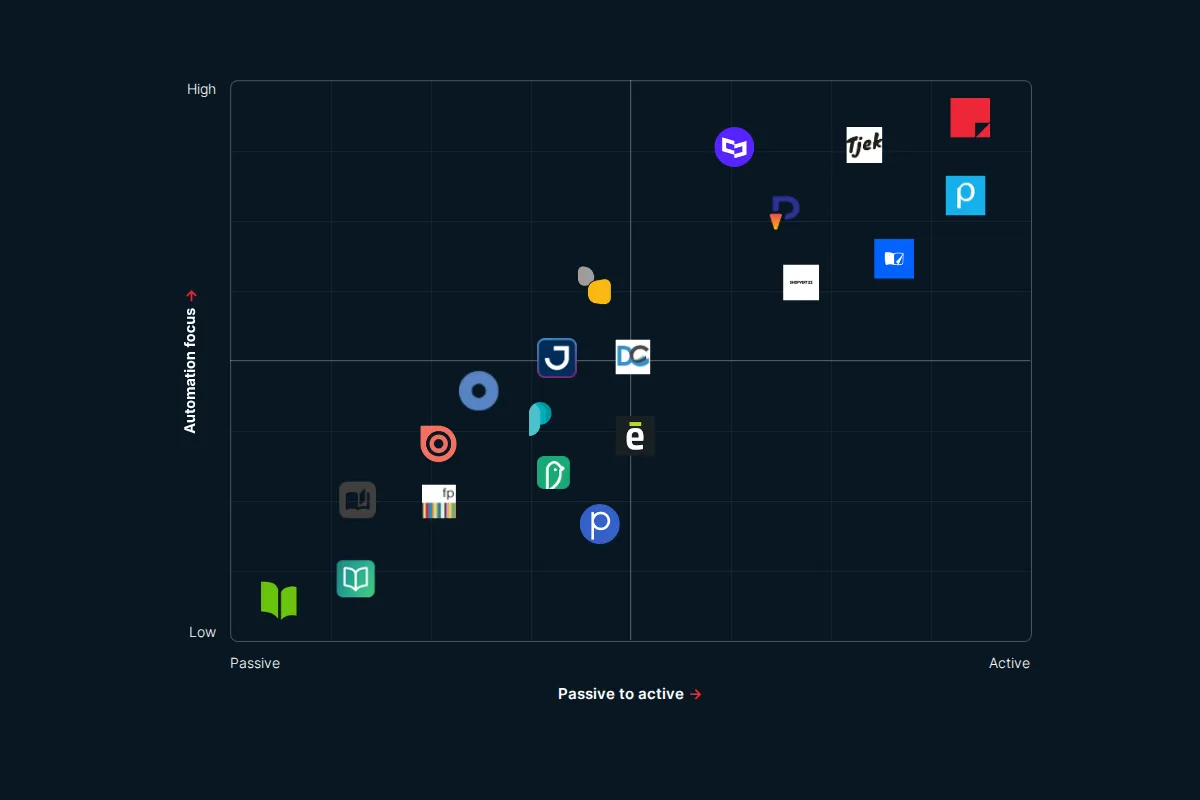
The digital catalog software landscape in 2026

The Issuu alternative that's serious about selling
The Flipsnack alternative for retail marketing teams
Your catalogs will be in good hands
- We have over 20 years experience working with digital catalogs
- Our dedicated team of experts are on hand to guide you to success